How Long Does a Roof Last in Lakewood, CA? A Complete Guide
Your roof is one of the most important parts of your home. It protects your family, belongings, and property from sun exposure, rain, wind, and other outdoor elements. However, no roof lasts forever. Over time, roofing materials wear down and may require repairs, maintenance, or complete replacement.
Many homeowners ask: How long does a roof last in Lakewood, CA? The answer depends on several factors, including the roofing material, installation quality, weather conditions, and how well the roof is maintained.
Understanding your roof’s expected lifespan can help you plan ahead, avoid unexpected damage, and make better decisions about roof repair or replacement.
Average Roof Lifespan in Lakewood, CA
The lifespan of a roof varies depending on the type of material installed. Some roofing systems can last decades, while others may require replacement sooner.
Here are the average lifespans of common roofing materials:
| Roofing Material | Average Lifespan |
|---|---|
| Asphalt shingles | 15–30 years |
| Architectural shingles | 25–35 years |
| Clay or concrete tiles | 40–75+ years |
| Metal roofing | 40–70 years |
| Flat roofing systems | 15–25 years |
These are general estimates. A well-maintained roof may last longer, while a roof exposed to damage, poor installation, or neglect may fail earlier.
Factors That Affect Roof Lifespan in Lakewood, CA
Several factors influence how long your roof will continue protecting your home.
California Weather and Sun Exposure
Lakewood, CA experiences plenty of sunshine throughout the year. While sunny weather is enjoyable, constant UV exposure can gradually damage roofing materials.
Over time, sunlight can cause:
- Shingles to become brittle
- Roofing materials to fade
- Cracks and deterioration
- Reduced protection against moisture
Heat can also cause roofing materials to expand and contract, which may weaken the structure over many years.
Quality of Roof Installation
A properly installed roof is more likely to reach its expected lifespan. Poor installation can lead to problems long before the roof should naturally wear out.
Common installation issues include:
- Improper flashing installation
- Poor ventilation
- Incorrect shingle placement
- Inadequate sealing
Hiring an experienced roofing professional ensures that your roof is installed correctly and provides long-term protection.
Regular Roof Maintenance
Routine maintenance plays a major role in extending roof lifespan.
Simple maintenance tasks can help prevent expensive problems, including:
- Cleaning gutters
- Removing leaves and debris
- Checking for damaged shingles
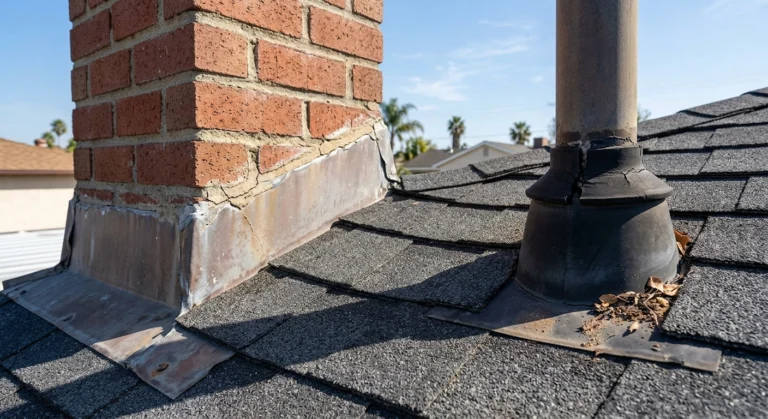
- Inspecting flashing
- Repairing small leaks quickly
Small roof problems can become major issues if ignored. Regular inspections help identify damage before it affects your home.
Attic Ventilation and Moisture Control
Proper attic ventilation is essential for roof durability.
Poor ventilation can trap heat and moisture, leading to:
- Faster roof deterioration
- Mold growth
- Damaged insulation
- Higher indoor temperatures
A properly ventilated attic helps regulate temperature and reduces stress on your roofing system.
How Long Do Different Roofing Materials Last?
Asphalt Shingle Roofs
Asphalt shingles are one of the most common roofing materials in residential homes.
Average lifespan: 15–30 years
Benefits include:
- Affordable installation
- Easy repairs
- Wide variety of styles
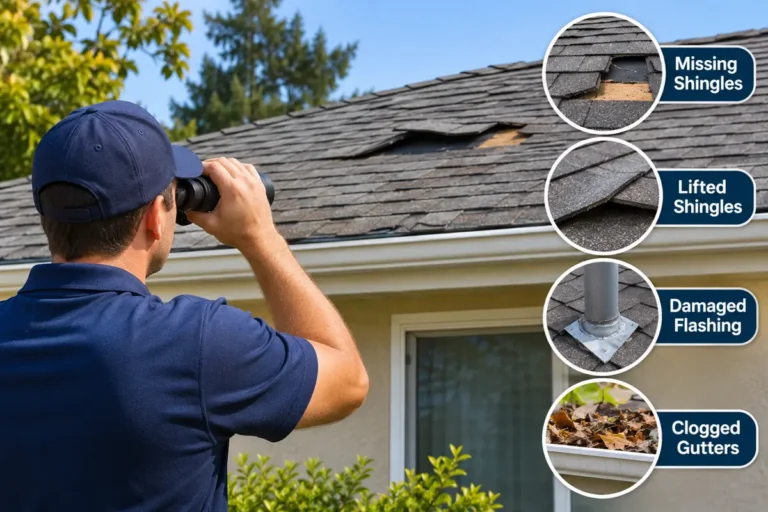
Signs asphalt shingles may be aging include:
- Curling edges
- Missing shingles
- Cracked surfaces
- Excessive granule loss
Regular inspections can help determine whether repairs are enough or if replacement is needed.
Tile Roofs
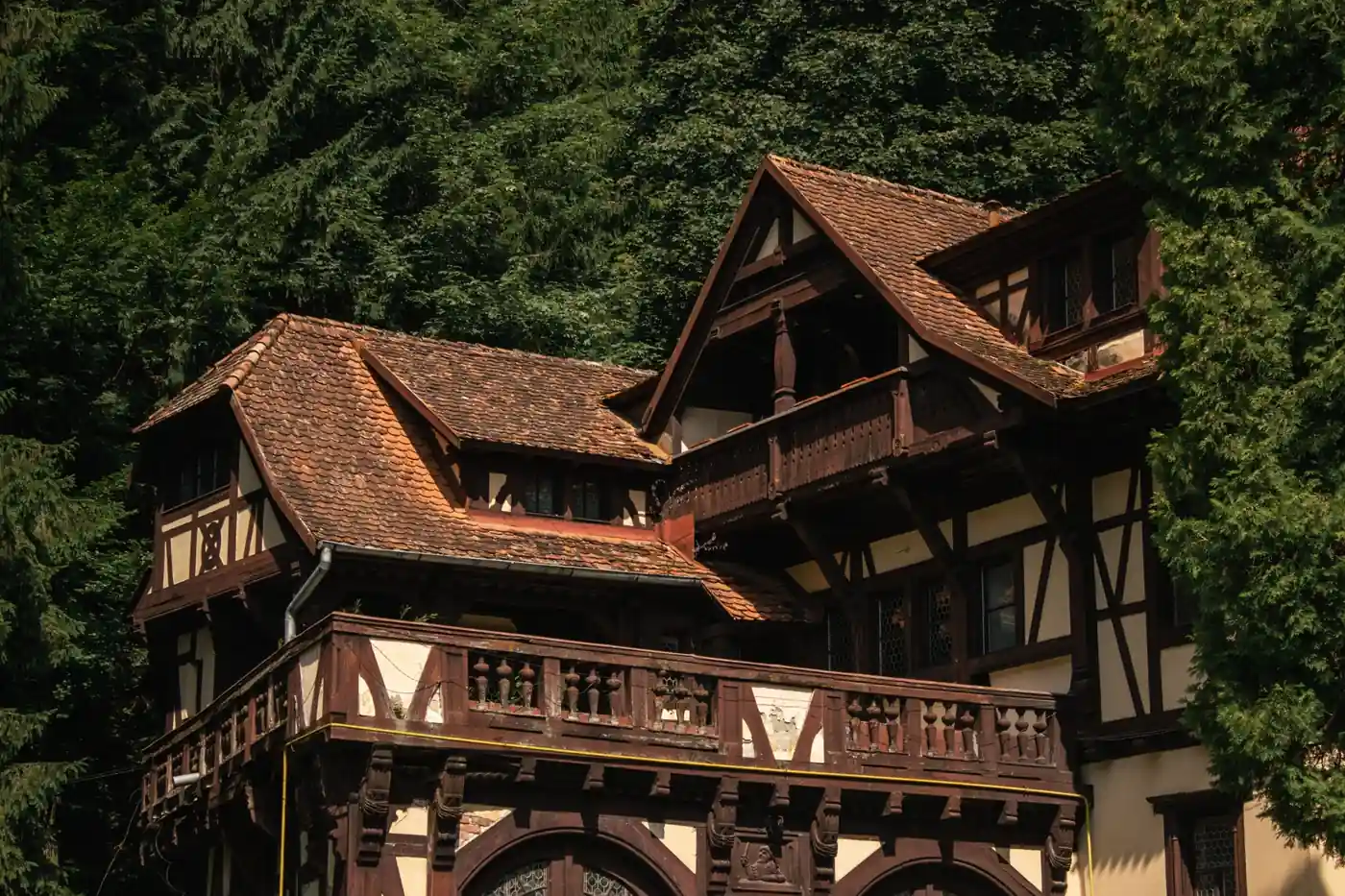
Clay and concrete tile roofs are popular in Southern California because they handle heat well and offer excellent durability.
Average lifespan: 40–75+ years
Advantages include:
- Long service life
- Strong resistance to sunlight
- Attractive appearance
However, tile roofs can still develop problems, such as:
- Broken tiles
- Damaged underlayment
- Water leaks
Although tiles may last for decades, other parts of the roofing system may require repairs sooner.
Metal Roofs
Metal roofing is known for durability and energy efficiency.
Average lifespan: 40–70 years
Benefits include:
- Strong weather resistance
- Low maintenance requirements
- Long-term performance
Common maintenance needs include checking for rust, loose fasteners, and damaged areas.
Flat Roof Systems
Flat roofs are commonly found on certain residential and commercial properties.
Average lifespan: 15–25 years
Common flat roof problems include:
- Ponding water
- Cracks
- Membrane damage
- Drainage issues
Regular inspections are especially important for flat roofing systems.
Signs Your Roof May Need Replacement
Roof age is an important factor, but it is not the only thing to consider. Certain warning signs may indicate your roof needs professional attention.
Frequent Repairs
If your roof requires repeated repairs, replacement may become more cost-effective than continuing to fix individual problems.
Missing or Damaged Roofing Materials
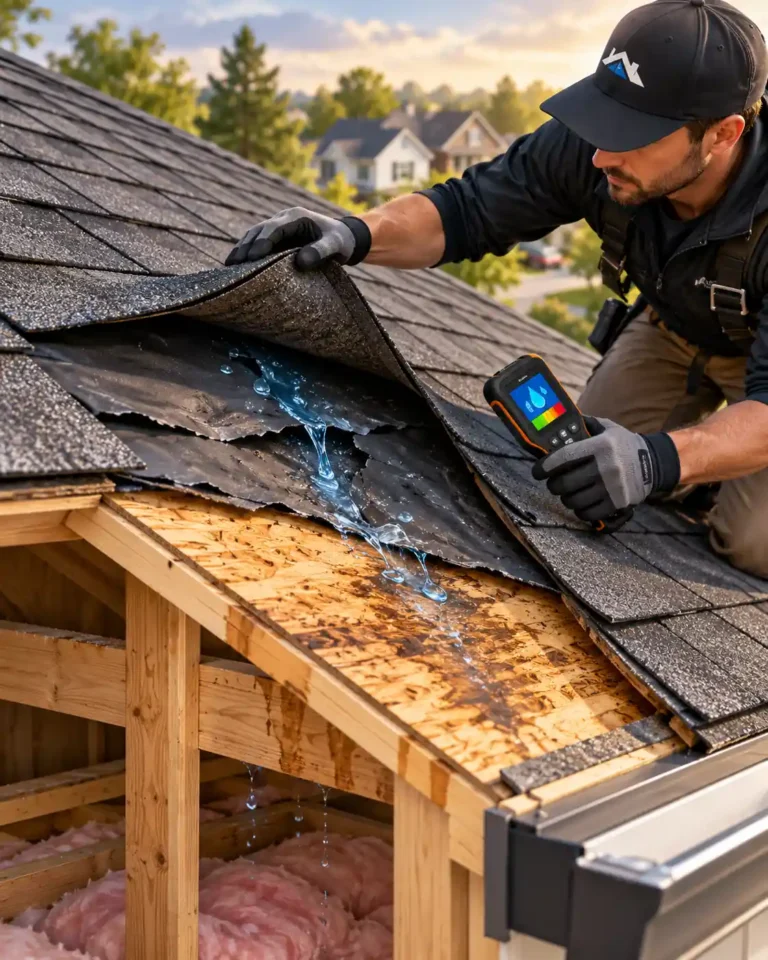
Missing shingles, cracked tiles, or damaged roofing materials can allow water to enter your home.
Roof Leaks and Water Damage
Signs of roof leaks may include:
- Ceiling stains
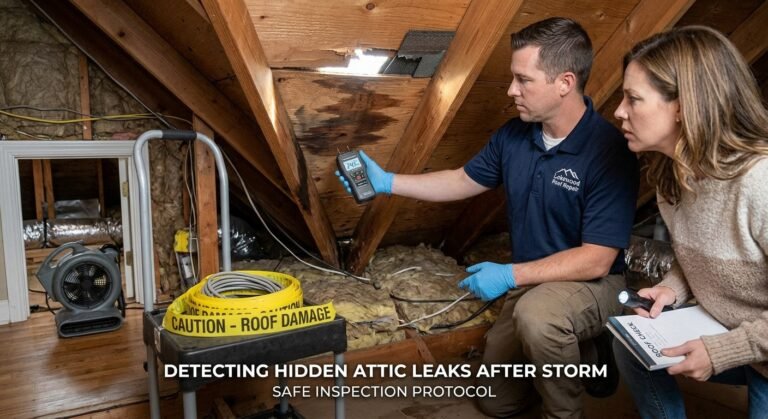
- Damp areas in the attic
- Water marks on walls
- Mold growth
Even small leaks can lead to expensive structural damage if left untreated.
Sagging Roof Areas
A sagging roof may indicate serious structural problems and should be inspected by a professional as soon as possible.
Roof Repair vs Roof Replacement: Which Do You Need?
Not every damaged roof needs a full replacement.
Roof repair may be enough when:
- Damage is limited to a small area
- The roof is relatively new
- Problems are caused by minor damage
Roof replacement may be better when:
- The roof has reached the end of its expected lifespan
- Damage is widespread
- Repairs are becoming frequent
- The roofing system is no longer providing proper protection
A professional roof inspection can help determine the best solution for your home.
How Maintenance Can Extend Your Roof’s Lifespan
Regular maintenance can add years to your roof and help prevent unexpected expenses.
Homeowners should:
- Schedule regular roof inspections
- Keep gutters clean
- Remove debris from the roof
- Check flashing and seals
- Address leaks quickly
- Maintain proper attic ventilation
Preventative care is often much less expensive than major roof repairs.
Frequently Asked Questions About Roof Lifespan
How long does an asphalt roof last in Lakewood, CA?
Most asphalt shingle roofs last between 15 and 30 years depending on installation quality, weather exposure, and maintenance.
How often should I inspect my roof?
Most homeowners should have their roof inspected at least once a year and after major storms.
Can roof maintenance extend its lifespan?
Yes. Regular maintenance helps prevent damage and allows small problems to be repaired before they become serious.
Should I replace my roof after 20 years?
Not always. Some roofs may still be in good condition after 20 years, while others may require replacement sooner. A professional inspection can provide the right answer.
What roofing material lasts the longest?
Tile and metal roofing systems typically have some of the longest lifespans when properly installed and maintained.
Final Thoughts
So, how long does a roof last in Lakewood, CA? The answer depends on the roofing material, installation quality, weather conditions, and maintenance routine.
While some roofs may last 15 years and others can last more than 50 years, regular inspections and timely repairs are the best ways to protect your investment.
If you are unsure about your roof’s condition, Roof Repair Lakewood CA can help with professional inspections, repairs, and expert recommendations to keep your home protected.